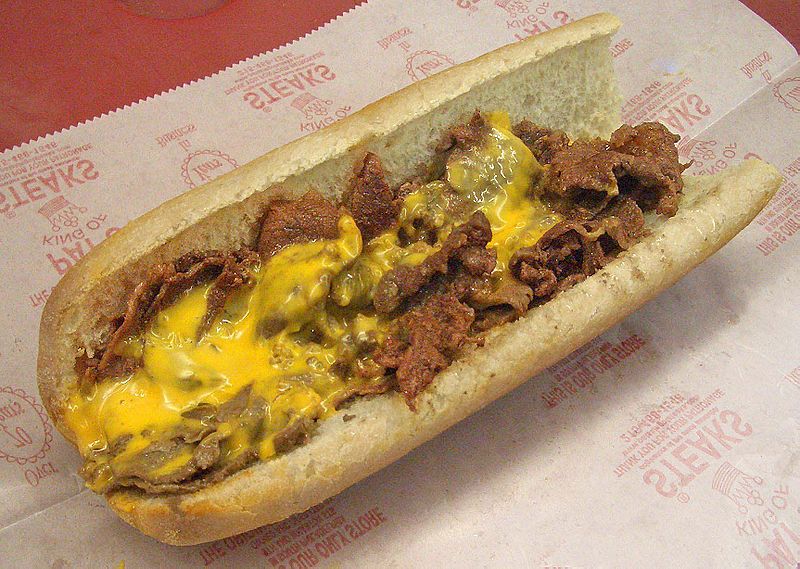
cheesesteak.jpgIPNews® – A Philadelphia deli is continuing its quest to federally register the trademark “Philadelphia’s Cheesesteak” with a new lawsuit against U.S. Patent and Trademark Office Director David Kappos, having failed to persuade the PTO or the office’s Trademark Trial and Appeal Board that the mark is registrable.

In August the TTAB upheld the PTO’s decision that Campo’s Deli at Market Inc.’s trademark was too likely to be confused with existing trademarks including “Philadelphia Cheesesteak Co.” and was too geographically descriptive to grant. The trademark desired, though, is not for the company itself, but for “a particular kind of gloriously gluttonous sandwich provided only by the plaintiff,” the deli says in its complaint in the Eastern District of Pennsylvania. To continue reading, click: Philly Deli Refuses To Give Up Fight For Cheesesteak Trademark, Sues PTO

books.jpgIPNews® – Boston creative writing organization Grub Street Inc. on Thursday went after a similarly named company that endorses books for a fee with a trademark infringement lawsuit in Massachusetts federal court.

Grub Street Reads offers positive book reviews and endorsements to authors who pay up front for the privilege. The company is trying to capitalize on the goodwill Grub Street has accumulated with respect to its own prestigious book awards, Grub Street says. To continue reading, click: Grub Street Sues Book Review Service For Poaching Name Trademark

samsung.jpgIPNews® – Samsung Electronics Co. has applied to patent a mode of harvesting information from a wireless device like a smartphone about a user’s daily life and presenting that information in story form.

A patent application revealed by the U.S. Patent and Trademark Office last week would cover a method of collecting and analyzing information like weather, location, social media, calendars, call records and texts. The data could then be summarized by a so-called story generator and presented in full sentences, according to the patent description. To continue reading, click: Samsung Aims To Patent Automatic Smartphone Diary

seedling.jpgIPNews® – The U.S. Supreme Court said Friday that it will hear a soybean farmer’s appeal of his loss in Monsanto Co.’s patent infringement lawsuit over his planting of second-generation descendants of Monsanto’s genetically modified patented seeds.

The case will test the limits of how far patent protection extends for self-replicating technologies like seeds. In the September 2011 ruling on appeal, the Federal Circuit affirmed the Indiana district court’s grant of summary judgment of infringement to Monsanto. To continue reading, click: Monsanto Seed Patent Dispute Goes To Supreme Court

youtube.jpgIPNews® – YouTube LLC on Wednesday announced it is making changes to its Content ID copyright enforcement system to improve the appeals process for users targeted for infringement and takedown claims, as well as the technology that detects unintentional claims and matches copyrighted content to videos uploaded.

Users will now have an extra stage of appeal available to them if faced with Content ID claims. The Google Inc. subsidiary also adjusted the algorithms that identify potentially invalid Content ID claims and the system that identifies copyright owners’ content. To continue reading, click: YouTube Tweaks Content ID Copyright Enforcement System

kumquat_tree_.jpgIPNews® – The U.S. Patent and Trademark Office is increasingly issuing denials of “green” trademark applications based on deceptive claims of environmental friendliness, attorneys report.

While the PTO says the reports are incorrect and there has been no official change in its approach to green trademarks, the office already has the authority to refuse registration if a trademark contains incorrect information about a product’s environmental claims. The denials, coupled with recent Federal Trade Commission activity on green marketing claims, could point to a greater initiative from the Obama administration to crack down on the practice of “greenwashing.” To continue reading, click: PTO Gets Tough On Green Trademark Claims

microsoft-building.jpgIPNews® – Motorola Mobility LLC’s Android devices do not infringe a Microsoft Inc.-held European patent for a radio interface used to help apps maintain compatibility across devices, a German court ruled Friday.

The ITC ruled earlier this year that the U.S. equivalent of the European patent is valid but not infringed by Motorola’s devices. The Mannheim Regional Court’s ruling comes after three previous patent rulings German courts have handed down this year in favor of Microsoft against Motorola. To continue reading, click: Motorola Android Devices Don’t Infringe Microsoft Interface Patent, German Court Says

headphones2.jpgIPNews® – Apple Inc. is trying to obtain patent protection for a listening device like a set of headphones that could immediately and automatically switch from being plugged into a media player to operating wirelessly, according to an application the U.S. Patent and Trademark Office published Thursday.

The patent application, filed in March 2011, discloses a media apparatus that can be used in conjunction with a host device to ensure the user a good listening experience even while engaging in physical activity. The invention could potentially lead to upgrades to Apple’s earbud products based on the Bluetooth 4.0 functionality it now offers across its range of devices. To continue reading, click: Apple Seeks To Patent Detachable Wireless Headphones

medical.jpgIPNews® – Hologic Inc. said Thursday that its Gen-Probe unit has prevailed in a patent infringement lawsuit against Becton Dickinson over sexually transmitted disease tests.

San Diego federal judge Roger T. Benitez granted Gen-Probe summary judgment on its infringement claims regarding patents for chlamydia and gonorrhea testing. A trial on the remaining issues in the case, including damages, is currently scheduled to start on Dec. 4. To continue reading, click: Hologic Wins San Diego Patent Fight With Becton Dickinson

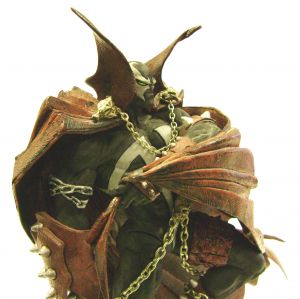
spawn.jpgIPNews® – Legendary comic book creator and artist Todd McFarlane attacked an ex-employee in Arizona federal court last week for trademark and copyright infringement, after the ex-employee published a book claiming to have inspired McFarlane’s popular Spawn character in the 1990s.

Ex-employee Al Simmons gave McFarlane permission in 1992 to use his name as the comic book name of Spawn’s real-life alter ego, but has now put out an autobiography, “The Art Of Being Spawn,” that violates McFarlane’s intellectual property rights to the character and the series, the complaint says. In addition to the copyright and trademark claims, McFarlane is accusing Simmons of actual and threatened misappropriation of trade secrets, unfair competition, breach of fiduciary duty and duty of loyalty, false endorsement, false advertising and libel. To continue reading, click: Todd McFarlane Sues Ex-Employee For Spawn Trademark, Copyright Infringement